

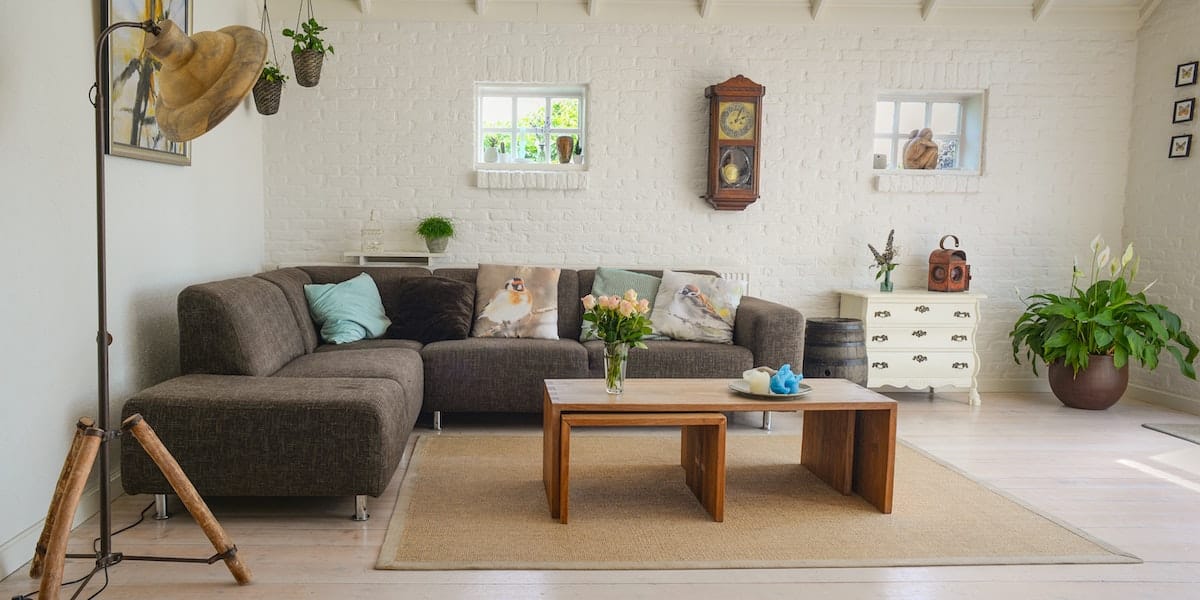
Creating a beautiful home doesn’t have to come at the expense of the planet. Sustainable décor focuses on thoughtful choices, long-lasting materials, and reduced waste, all while maintaining comfort and style. With a few intentional shifts, you can design a home that reflects your values and supports a healthier environment.
Choose Natural and Renewable Materials
Materials play a major role in sustainability. Natural, renewable resources tend to have a lower environmental impact and age more gracefully over time.
Eco-friendly material choices include:
- Solid wood from responsibly managed sources
- Bamboo, cork, and rattan
- Linen, cotton, wool, and jute
These materials bring warmth and texture while avoiding synthetic-heavy décor.
Invest in Quality Over Quantity
Fast décor trends often lead to frequent replacements and unnecessary waste. Sustainable homes prioritize durability and timeless design.
Why quality matters:
- Long-lasting items reduce landfill waste
- Fewer replacements save money over time
- Timeless pieces stay stylish for years
Buying fewer, well-made items is one of the most sustainable décor decisions you can make.
Repurpose, Reuse, and Upcycle
Giving old items new life reduces waste and adds character to your home. Repurposed décor often feels more personal and unique.
Creative reuse ideas:
- Turn glass jars into candle holders or vases
- Refinish or repaint existing furniture
- Use vintage finds as statement pieces
Upcycling keeps materials in use and minimizes demand for new production.
Decorate With Plants and Greenery
Indoor plants are one of the simplest ways to enhance sustainability while improving air quality and well-being.
Benefits of using plants:
- Naturally refresh indoor spaces
- Add color and texture without waste
- Support a calming, nature-inspired atmosphere
Low-maintenance plants are ideal for busy households.
Choose Low-Impact Textiles
Textiles can be surprisingly resource-intensive. Choosing sustainable fabrics makes a meaningful difference.
Look for:
- Organic or responsibly sourced fabrics
- Natural dyes or low-impact coloring
- Washable, long-lasting materials
Avoid overly trendy prints that may feel outdated quickly.
Embrace Minimalist Styling
Minimalism and sustainability go hand in hand. A clutter-free home requires fewer resources and encourages mindful consumption.
Minimalist décor principles:
- Keep only what you love and use
- Avoid unnecessary decorative excess
- Focus on function as well as form
Less décor often results in more visual calm and environmental benefit.
Support Local and Ethical Makers
Where and how décor is made matters. Supporting local artisans and ethical brands reduces transportation impact and promotes fair practices.
Advantages include:
- Reduced carbon footprint from shipping
- Better craftsmanship and quality
- Support for responsible labor practices
Handcrafted pieces often become meaningful focal points.
Use Energy-Conscious Lighting
Lighting affects both ambiance and energy use. Thoughtful lighting choices support sustainability without sacrificing style.
Smart lighting tips:
- Use LED bulbs for efficiency
- Maximize natural daylight
- Choose fixtures that last rather than disposable designs
Energy-efficient lighting lowers utility use and long-term costs.
FAQs
What makes home décor sustainable?
Sustainable décor minimizes environmental impact through responsible materials, durability, ethical sourcing, and reduced waste.
Is sustainable décor more expensive?
It can cost more upfront, but long-lasting quality often saves money by reducing replacements.
Can sustainable décor still look stylish?
Absolutely. Many sustainable designs focus on timeless aesthetics, natural textures, and thoughtful craftsmanship.
How do I start making my home more eco-friendly?
Begin by reusing what you already have, decluttering mindfully, and choosing better materials for future purchases.
Are secondhand items suitable for modern décor?
Yes. Vintage and secondhand pieces add character and blend well with modern interiors when styled thoughtfully.
Do sustainable homes have to look minimalist?
Not necessarily. Sustainability works with many styles, from cozy and rustic to modern and eclectic.
What’s the easiest sustainable décor change to make?
Switching to natural textiles, adding plants, and buying fewer decorative items are simple, high-impact steps.
Sustainable décor is about intentional living, mindful choices, and long-term thinking. When your home reflects care for both people and the planet, it becomes a space that feels good in every sense.

Comments are closed.