
From Warehouse to Rooftop: Why Safety Shirts Are Your Crew’s Most Important Seasonal Investment

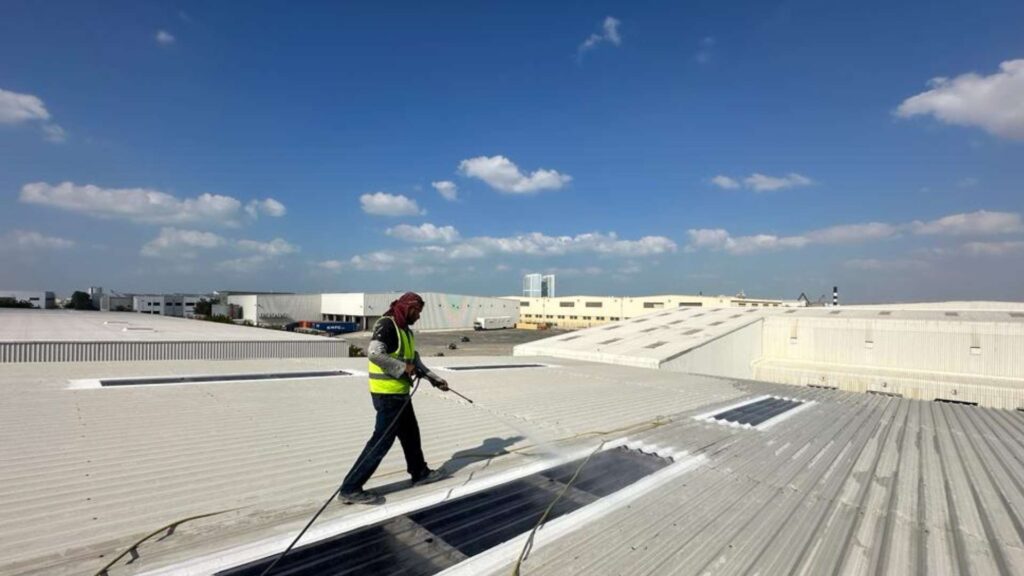
The peak holiday installation season compresses an enormous volume of high-risk work into a short and unforgiving timeframe. Crews are moving faster, working in more hazardous conditions, and managing larger teams than at almost any other point in the calendar year. On rooftops stringing lights, in loading docks managing seasonal inventory, and across commercial properties where heavy equipment and foot traffic converge simultaneously, visibility and crew identification are not optional considerations. Safety shirts are the most practical and consistently reliable solution to the visibility challenge that every professional holiday installation operation faces during its busiest and most logistically demanding weeks. Choosing the right garment for each role within your crew is one of the highest-return operational decisions a commercial decorator, warehouse manager, or event venue coordinator can make before the season begins.
Why Seasonal Installation Work Demands Dedicated Safety Gear
The hazard profile of holiday installation work is genuinely distinct from general construction or routine facility maintenance. Crews operate across varied and often unconventional environments: commercial storefronts, warehouse receiving areas, shopping center exteriors, event venues transitioning between setup modes, and residential and commercial rooftops where fall risk and low-light conditions compound simultaneously. The compressed timeline of the installation season means crews are frequently working alongside delivery vehicles, heavy equipment operators, and members of the general public who are not aware of active installation work in progress nearby. In those conditions, a brightly colored, retroreflective garment is not merely a compliance requirement. It is a fundamental operational safeguard that reduces the single most preventable category of worksite incident: a crew member going undetected in an active high-traffic environment.
Understanding ANSI/ISEA Compliance Standards
Understanding the ANSI/ISEA 107 standard is essential for any operation where crew visibility is a meaningful safety factor. This standard defines three performance classes based on the level of visibility required for a given work environment.
Class 1 garments provide baseline visibility appropriate for low-traffic environments where vehicles move at slower speeds and workers face limited exposure to vehicle traffic. Class 2 certification applies to workers in environments with heavier traffic, more visually complex backgrounds, or conditions requiring greater overall conspicuity throughout the workday. Class 3 represents the highest protection level and is appropriate for workers exposed to high-speed traffic, visually complex backgrounds, or low-light conditions where maximum full-body visibility from every approach angle is essential for crew safety.
For most professional holiday installation contexts, Class 2 certification represents the practical minimum. Crews working near active parking lots, public roadways, or high-traffic commercial properties during early morning and evening installation hours, when natural light is reduced, should strongly consider Class 3 garments, particularly for ground crew members operating near active vehicle access points throughout extended installation shifts.
Key Features to Look for in a Safety Shirt for Installation Work
Not all high-visibility garments perform equally across the range of conditions that seasonal installation crews encounter. Several specific features deserve careful evaluation before outfitting an entire team:
- Retroreflective tape placement: Tape positioned across the chest, back, and shoulders delivers 360-degree visibility from the full range of angles from which vehicles, machinery, and bystanders approach crew members in active work zones.
- Moisture management fabric: Installation crews often work in variable weather conditions across extended outdoor shifts. Fabrics engineered to wick moisture and maintain breathability under layering keep crews comfortable and focused through long installation days.
- Durability through repeated laundering: High-volume seasonal operations require garments that maintain their fluorescence and tape integrity across frequent washing cycles. Garments that fade or degrade quickly lose their protective properties precisely when crews are relying on them most.
- Layering compatibility: Safety shirts designed with a clean, fitted silhouette work reliably under jackets and harnesses, ensuring visibility is maintained when crew members add cold-weather layers or don fall protection equipment for elevated installation work.
Outfitting Different Crew Roles Across the Seasonal Operation
A well-structured safety apparel program recognizes that different roles within a seasonal installation operation carry meaningfully different risk profiles. Ground crew members working near vehicle traffic in commercial parking areas need maximum visibility garments with full retroreflective coverage. Warehouse staff managing seasonal inventory movement on loading docks benefit from lightweight, breathable shirts that allow free movement during sustained physical handling tasks. Crew supervisors overseeing multiple teams across a large commercial property benefit from a distinctive color or design variation that sets them apart from general crew members, making them immediately identifiable for coordination and communication during active installation phases. Event venue coordinators managing contractor teams across interior and exterior setup zones benefit from garments that balance visibility with a professional appearance appropriate for client-facing environments.
Building a Safety Shirt Program for Your Seasonal Team
The most effective approach to crew safety apparel treats it as a structured operational program rather than a one-time pre-season purchase. Establishing a clear garment standard for each crew role before the season begins, ensuring consistent compliance across all active shifts, and replacing worn or non-compliant garments proactively rather than reactively keeps the entire operation within both safety standards and regulatory compliance throughout the most demanding weeks of the installation calendar. Seasonal operations that treat safety apparel as a recurring budget line item rather than an afterthought consistently report fewer visibility-related incidents and greater crew confidence across all active work environments.
Safety Gear Built for the Demands of Seasonal Operations
Professional holiday installation and seasonal facility management place real and specific demands on crew safety gear that general-purpose garments do not reliably meet. Selecting high-visibility shirts built to the performance standards your operation actually requires protects your crew, your clients, and your business throughout every high-pressure week of the installation season. For a comprehensive range of ANSI-compliant, purpose-built options designed to perform across the full spectrum of seasonal installation environments, visit National Safety Gear and outfit your crew with the visibility standards your operation demands.

Comments are closed.