

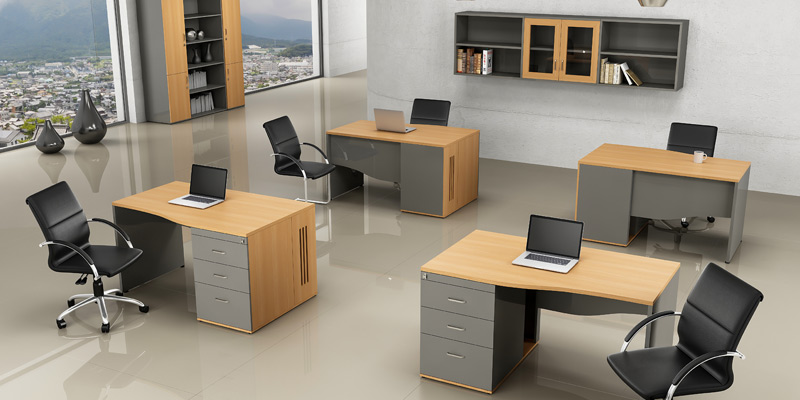
The right office furniture does more than fill a workspace—it directly affects focus, comfort, efficiency, and long-term health. Whether you work from home or in a traditional office, thoughtful furniture choices can reduce fatigue, improve posture, and help you stay productive throughout the day.
Prioritize Ergonomic Seating
Your chair is the most important piece of office furniture. Poor seating leads to discomfort, distraction, and long-term physical strain.
What to look for in a productive office chair:
- Adjustable seat height and armrests
- Lumbar support that aligns with your lower back
- Breathable materials for long sitting periods
Comfortable seating allows you to focus on work instead of physical discomfort.
Choose the Right Desk Height and Size
A desk that’s too high or too low disrupts posture and workflow. The right size and height support efficiency and organization.
Key desk considerations:
- Elbows should rest at a natural 90-degree angle
- Enough surface area for essential tools only
- Legroom that allows movement and flexibility
A well-sized desk prevents clutter and supports healthy posture.
Keep Frequently Used Items Within Reach
Productivity drops when you constantly get up or stretch awkwardly for essentials. Smart furniture layout minimizes unnecessary movement.
Furniture features that help:
- Built-in drawers or desk organizers
- Mobile storage units nearby
- Shelving positioned at eye or arm level
Easy access keeps your workflow smooth and uninterrupted.
Reduce Clutter With Smart Storage
Visual clutter affects mental clarity. Storage-focused furniture keeps your workspace clean and focused.
Effective storage solutions include:
- Filing cabinets for paperwork
- Drawer units for supplies
- Closed storage to reduce visual noise
A tidy workspace supports sharper concentration and quicker decision-making.
Support Proper Screen Positioning
Furniture placement affects how you view your screen, which directly impacts neck and eye strain.
Best practices:
- Monitor at or slightly below eye level
- Screen about an arm’s length away
- Adjustable monitor stands or arms
Proper alignment reduces fatigue and improves comfort during long work sessions.
Allow for Movement and Flexibility
Static positions reduce energy and focus. Productivity improves when furniture supports movement.
Furniture choices that encourage mobility:
- Sit-stand desks
- Chairs with smooth swivel and mobility
- Footrests to shift posture
Small movements throughout the day help maintain energy levels.
Match Furniture Style to Work Needs
Furniture should support the type of work you do, not just match décor.
Examples:
- Minimal desks for focused, computer-based work
- Larger surfaces for creative or hands-on tasks
- Modular furniture for shared or flexible spaces
Function-first furniture boosts efficiency and satisfaction.
Don’t Ignore Lighting and Furniture Interaction
Furniture placement affects how light reaches your workspace. Poor alignment causes glare or shadows.
Helpful tips:
- Position desks perpendicular to windows
- Use task lamps on work surfaces
- Avoid placing screens directly under overhead lights
Good lighting paired with smart furniture layout reduces eye strain.
FAQs
What office furniture has the biggest impact on productivity?
An ergonomic chair and properly sized desk have the greatest influence on comfort and focus.
Is standing furniture better for productivity?
Sit-stand desks are effective when used alternately, allowing movement without sacrificing comfort.
How much desk space is ideal for productivity?
Enough space for essential tools only—extra surface area often encourages clutter.
Can office furniture reduce physical fatigue?
Yes. Ergonomic furniture supports posture, reduces muscle strain, and improves endurance.
Should home office furniture differ from corporate office furniture?
Home offices benefit from the same ergonomic principles, but may prioritize flexibility and space efficiency.
How often should office furniture be adjusted?
Check adjustments every few months or whenever discomfort appears.
Does furniture style affect motivation?
A clean, well-designed workspace can boost mood, confidence, and motivation.
The right office furniture creates a workspace that supports your body, sharpens focus, and streamlines workflow. When comfort and function align, productivity becomes easier and more sustainable every day.

Comments are closed.