

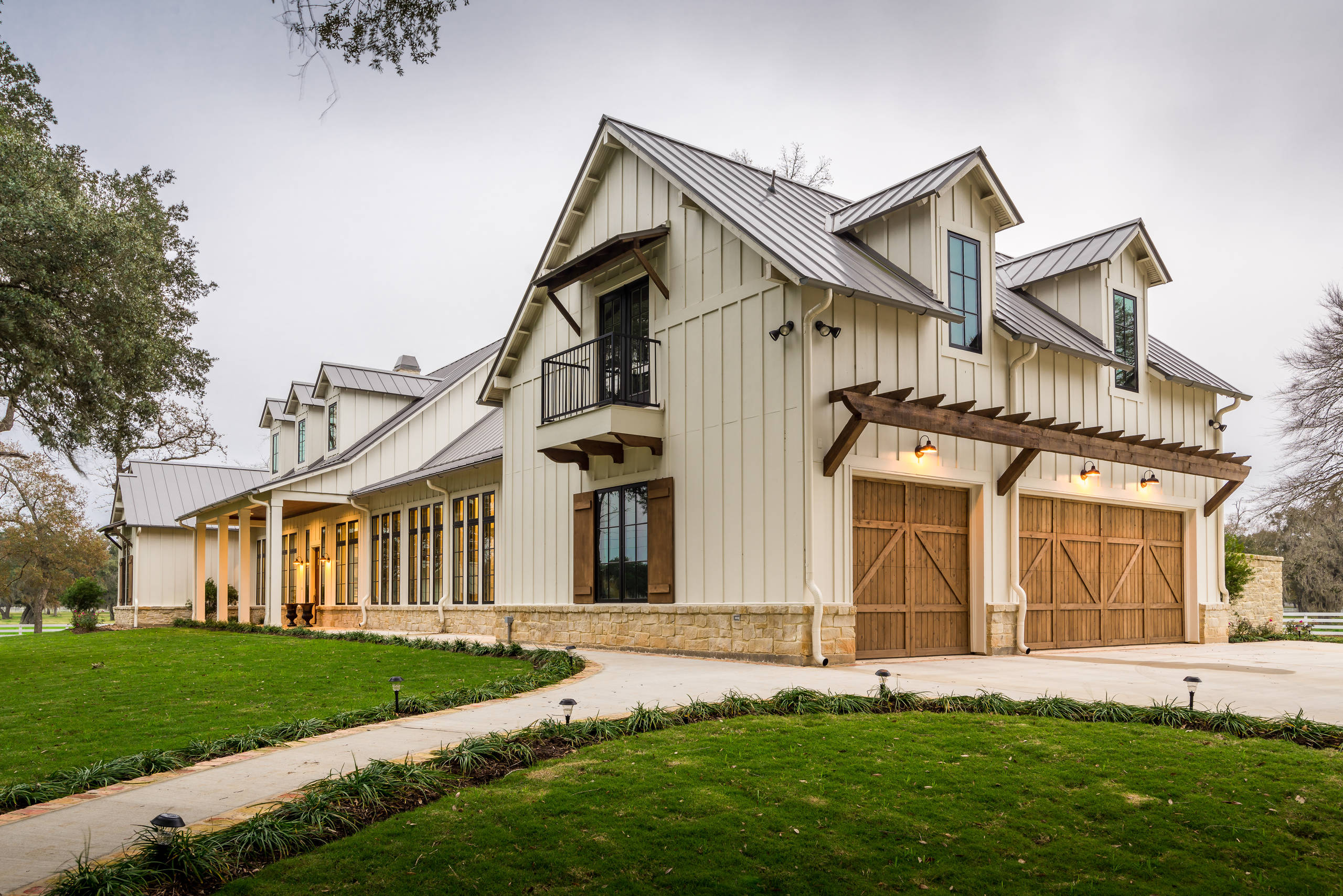
Your roof does far more than protect your home from rain and sun—it affects energy efficiency, curb appeal, maintenance costs, and long-term property value. Choosing the right roofing material is a decision that balances climate, budget, durability, and style. With so many options available, understanding what truly matters can save you from costly mistakes down the road.
Consider Your Local Climate First
Climate plays a major role in how well a roofing material performs over time.
Different environments demand different strengths:
- Hot and sunny climates benefit from reflective materials that reduce heat absorption
- Rainy or humid areas require moisture-resistant roofing to prevent mold and rot
- Snowy regions need materials that handle freeze-thaw cycles and shed snow efficiently
- High-wind zones demand impact- and wind-resistant roofing systems
Ignoring climate compatibility can shorten your roof’s lifespan dramatically.
Understand the Most Common Roofing Materials
Asphalt Shingles
Asphalt shingles are the most widely used roofing material due to affordability and ease of installation.
Key advantages include:
- Lower upfront cost
- Wide range of colors and styles
- Straightforward repairs
However, they generally have a shorter lifespan compared to premium materials.
Metal Roofing
Metal roofs are known for durability and energy efficiency.
They offer:
- Long life expectancy
- Excellent resistance to fire and extreme weather
- Energy savings through heat reflection
Metal roofing often costs more initially but can reduce maintenance and energy expenses over time.
Clay and Concrete Tiles
Clay and concrete tiles are popular in warm, dry climates and Mediterranean-style homes.
Benefits include:
- Exceptional longevity
- Strong resistance to fire and insects
- Distinctive architectural appearance
These materials are heavy and may require structural reinforcement.
Slate Roofing
Slate is a natural stone roofing material prized for elegance and longevity.
It stands out for:
- Lifespans exceeding several decades
- Natural resistance to fire and moisture
- High-end visual appeal
Slate is one of the most expensive options and requires specialized installation.
Match the Roof to Your Home’s Architecture
Roofing should complement your home’s design, not fight against it.
For example:
- Traditional homes pair well with asphalt or slate
- Modern designs often suit metal roofing
- Southwestern or coastal homes frequently use clay tiles
A mismatched roof can negatively affect curb appeal and resale value.
Evaluate Durability and Lifespan
Not all roofs age the same way.
Approximate lifespan ranges:
- Asphalt shingles: 15–30 years
- Metal roofing: 40–70 years
- Clay or concrete tiles: 50+ years
- Slate: 75–100 years
If you plan to stay in your home long-term, investing in durability may be more cost-effective than frequent replacements.
Factor in Maintenance Requirements
Some roofing materials require more attention than others.
Low-maintenance options:
- Metal roofing
- Slate
- Concrete tiles
Higher-maintenance options:
- Asphalt shingles in harsh climates
- Wood-based roofing in humid areas
Understanding upkeep expectations helps avoid surprise expenses.
Budget Beyond the Material Cost
The true cost of a roof includes more than just materials.
Be sure to account for:
- Installation labor
- Structural upgrades if needed
- Long-term maintenance
- Energy efficiency savings
A cheaper roof upfront may cost more over time due to repairs or early replacement.
Check Local Building Codes and HOA Rules
Local regulations can limit your choices.
Before deciding:
- Review building codes for material and fire ratings
- Confirm homeowner association design restrictions
- Verify required permits and inspections
Skipping this step can lead to fines or forced replacements.
Think About Energy Efficiency
Roofing materials directly impact indoor comfort and energy bills.
Energy-efficient roofing can:
- Reflect solar heat
- Improve attic ventilation
- Reduce air conditioning demand
Cool roofing materials are especially valuable in warmer climates.
Frequently Asked Questions
1. How do I know if my roof structure can support heavier materials?
A professional inspection can determine whether your home needs reinforcement before installing heavy roofing like tile or slate.
2. Is it better to replace roofing material before selling a home?
In many cases, yes. A new roof improves buyer confidence and can speed up the sale.
3. Are eco-friendly roofing materials worth considering?
Sustainable options like metal or recycled shingles can reduce environmental impact and offer long-term savings.
4. How does roof color affect home temperature?
Lighter colors reflect more sunlight, helping keep homes cooler in hot climates.
5. Can I mix roofing materials on one house?
Yes, but it must be done carefully to maintain proper drainage, durability, and visual consistency.
6. What roofing material performs best in storm-prone areas?
Metal roofing and impact-rated shingles often provide superior resistance to wind and debris.
7. How often should I have my roof inspected?
Most roofs should be inspected at least once a year and after major storms to catch issues early.
If you’d like, I can also tailor this article for SEO ranking, local contractor websites, or homeowner education blogs without adding filler or generic content.

Comments are closed.