

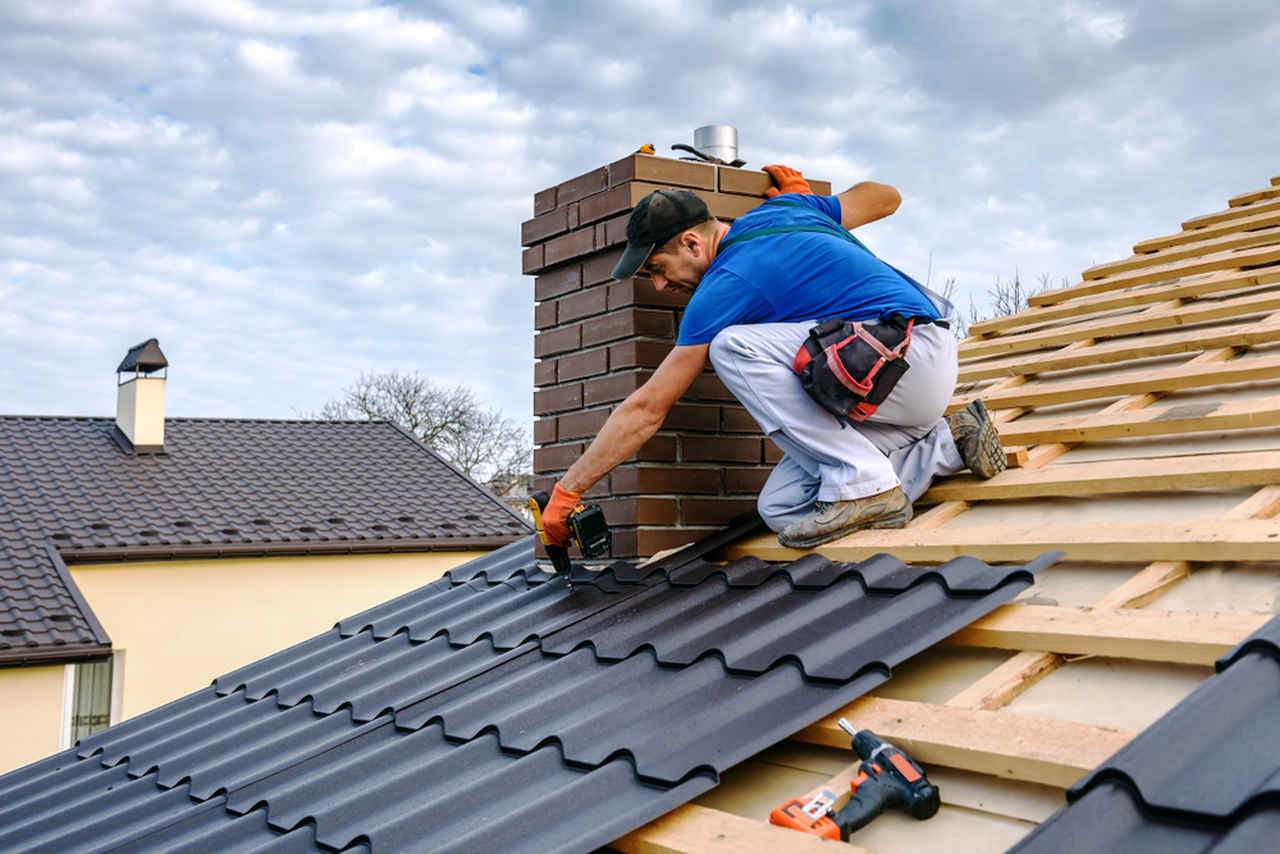
Your roof plays a critical role in how efficiently your home uses energy. While walls and windows often get the spotlight, the roof is the primary barrier between your living space and external temperatures. The right roofing choices can significantly lower heating and cooling costs, improve indoor comfort, and reduce long-term energy consumption.
Why Roofing Impacts Energy Efficiency
A poorly designed or aging roof allows heat to enter during summer and escape during winter. This forces HVAC systems to work harder, increasing energy bills and wear on equipment.
Energy-efficient roofing helps by:
- Reflecting solar heat instead of absorbing it
- Reducing temperature fluctuations inside the home
- Supporting proper airflow and insulation performance
Improving roof efficiency is one of the most effective upgrades for overall home energy savings.
Choose Reflective Roofing Materials
Cool Roofing Options
Cool roofs are designed to reflect more sunlight and absorb less heat than traditional roofing.
Common reflective materials include:
- Light-colored asphalt shingles
- Metal roofing with reflective coatings
- Tile roofing with natural heat resistance
These materials help keep roof surfaces cooler, especially in warm and sunny climates.
Benefits of Reflective Roofing
Installing reflective roofing can:
- Lower roof surface temperatures
- Reduce indoor cooling demands
- Extend the lifespan of roofing materials
- Improve indoor comfort during hot weather
Even small improvements in reflectivity can make a noticeable difference.
Upgrade Roof Insulation
Importance of Proper Insulation
Roof insulation prevents heat transfer between your home and the outdoors. Without adequate insulation, even the best roofing material will underperform.
Key insulation benefits:
- Keeps warm air inside during winter
- Blocks heat entry during summer
- Reduces energy loss through the attic
Common Insulation Improvements
Energy efficiency improves when homeowners:
- Increase attic insulation thickness
- Seal gaps and penetrations
- Replace compressed or outdated insulation
Proper insulation works hand in hand with roofing materials to maximize efficiency.
Improve Attic Ventilation
How Ventilation Affects Energy Use
Attic ventilation regulates temperature and moisture levels beneath the roof. Without proper airflow, heat becomes trapped, raising indoor temperatures and damaging roofing materials.
Effective ventilation helps:
- Release hot air buildup
- Reduce cooling system strain
- Prevent moisture-related issues
Types of Roof Ventilation
Common ventilation solutions include:
- Ridge vents
- Soffit vents
- Gable vents
- Powered attic fans
Balanced intake and exhaust ventilation is key for optimal performance.
Seal and Maintain the Roofing System
Preventing Energy Leaks
Small gaps or damaged areas can allow air leakage, undermining energy efficiency.
Regular maintenance should address:
- Cracked or missing shingles
- Worn flashing around chimneys and vents
- Seals around skylights and roof penetrations
Maintenance Pays Off
Routine inspections and timely repairs:
- Prevent heat loss
- Extend roof lifespan
- Maintain consistent indoor temperatures
Neglecting minor issues often leads to larger energy losses.
Consider Solar-Ready Roofing
Integrating Solar Solutions
Energy-efficient roofing can support solar installations, further reducing reliance on traditional power sources.
Solar-ready roofs:
- Provide structural support for panels
- Use materials that complement solar efficiency
- Reduce heat absorption under panels
Even without immediate installation, preparing your roof for solar can future-proof your home.
Factor in Roof Color and Design
Roof color and shape influence how much heat your home absorbs.
Energy-efficient design choices include:
- Lighter roof colors in hot climates
- Steeper roof slopes to shed heat
- Overhangs that reduce direct sun exposure
Design decisions can enhance performance without changing materials.
Frequently Asked Questions
1. How much can energy-efficient roofing reduce utility bills?
Savings vary by climate and home design, but many homeowners see noticeable reductions in cooling costs.
2. Is energy-efficient roofing only beneficial in warm climates?
No. While cooling benefits are greater in hot regions, energy-efficient roofing also reduces heat loss in colder climates.
3. Can I improve energy efficiency without replacing my entire roof?
Yes. Upgrading insulation, ventilation, and sealing can significantly improve efficiency without full replacement.
4. Does roof age affect energy performance?
Older roofs often lack modern materials and insulation, making them less efficient over time.
5. Are energy-efficient roofs more expensive?
Some options cost more upfront, but long-term energy savings often offset the initial investment.
6. How often should roofing efficiency be evaluated?
Energy efficiency should be reviewed during roof inspections or when utility costs increase unexpectedly.
7. Will energy-efficient roofing increase home value?
Yes. Homes with lower energy costs and modern roofing systems are more attractive to buyers.
If you’d like, I can also tailor this article for SEO performance, local roofing company blogs, or homeowner education guides while keeping it clean, factual, and human-written.

Comments are closed.