

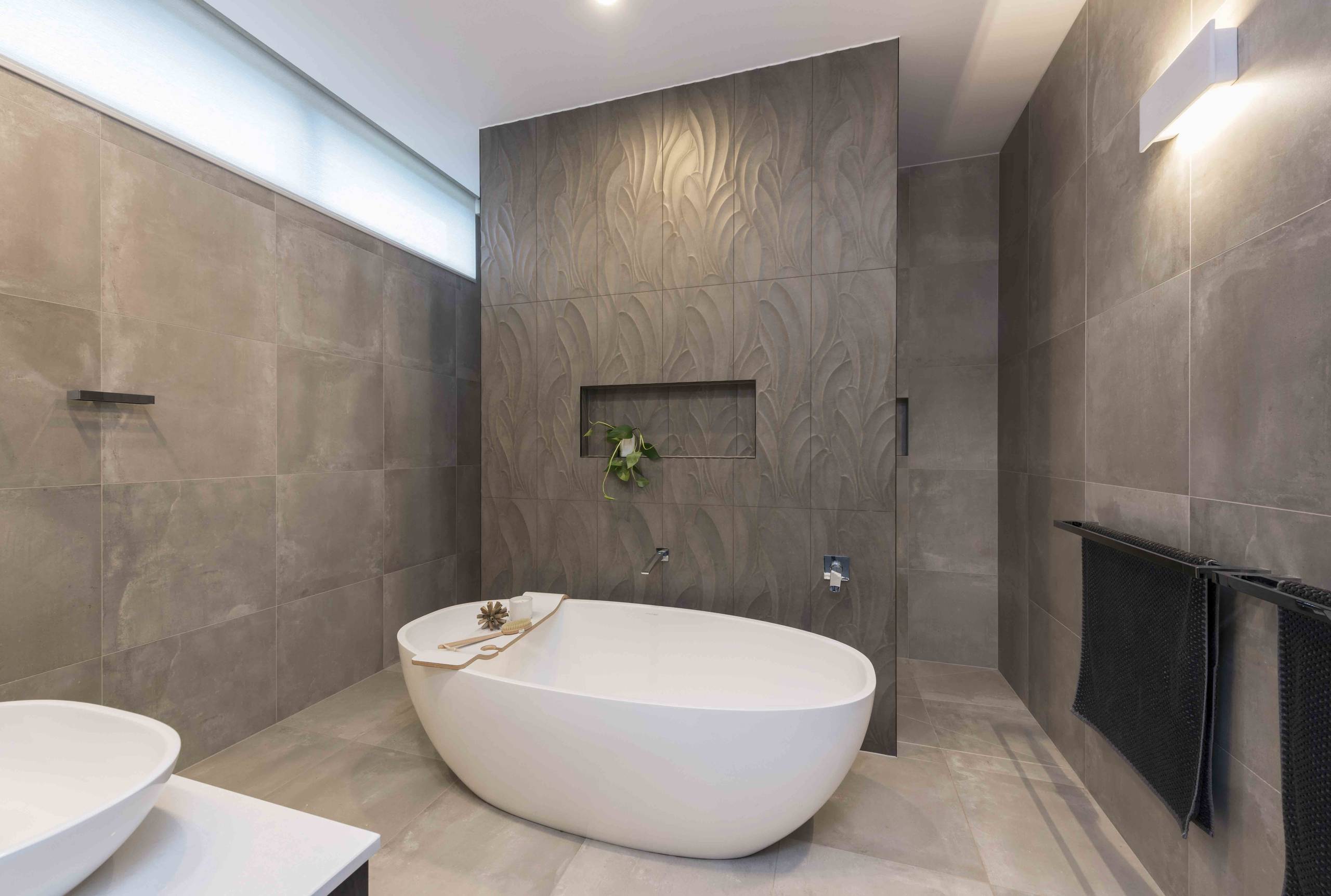
A bathroom renovation can boost comfort, functionality, and home value—but only if it’s done right. Too often, homeowners rush into decisions, underestimate costs, or overlook technical details that later turn into expensive regrets. Whether you’re updating a compact powder room or redesigning a master bath, avoiding common renovation mistakes can save you time, money, and stress.
Below are the most critical bathroom renovation mistakes you should steer clear of if you want results that last.
Skipping Proper Planning
One of the biggest mistakes homeowners make is diving into renovation without a clear plan. Bathrooms are small but complex spaces, involving plumbing, electrical work, ventilation, and moisture control.
Poor planning often leads to:
- Awkward layouts
- Storage shortages
- Unexpected costs mid-project
Before starting, define your budget, timeline, and must-have features. A detailed plan helps avoid rushed decisions that are hard to undo.
Ignoring Ventilation Needs
Bathrooms deal with constant humidity. Without proper ventilation, moisture gets trapped, leading to mold, peeling paint, and damaged fixtures.
Common ventilation mistakes include:
- Relying solely on windows
- Installing an undersized exhaust fan
- Forgetting to vent the fan outdoors
A high-quality exhaust system protects both your health and your investment.
Choosing Style Over Function
That sleek, minimalist sink might look stunning online—but does it work for daily use? Prioritizing aesthetics over practicality is a costly error.
Examples include:
- Wall-mounted sinks with no counter space
- Trendy tiles that are slippery when wet
- Open shelving that doesn’t handle moisture well
The best bathrooms strike a balance between visual appeal and everyday usability.
Underestimating Storage Requirements
Lack of storage becomes painfully obvious once the renovation is complete. Towels, toiletries, cleaning supplies, and personal items all need a home.
Avoid storage regrets by considering:
- Built-in niches in showers
- Vanity drawers instead of cabinets
- Recessed medicine cabinets
Smart storage solutions keep the space organized without cluttering the design.
Poor Lighting Design
Bathroom lighting isn’t just about brightness—it’s about placement and layering. A single ceiling light creates harsh shadows and makes tasks like shaving or makeup application difficult.
Effective bathroom lighting includes:
- Ambient lighting for overall illumination
- Task lighting around mirrors
- Accent lighting for depth and warmth
Good lighting enhances both functionality and ambiance.
Cutting Corners on Waterproofing
Water damage is one of the most expensive bathroom renovation failures. Skipping proper waterproofing may save money upfront, but it almost always costs more later.
Critical areas that need professional waterproofing:
- Shower walls and floors
- Areas around bathtubs
- Floor-to-wall junctions
This is one area where shortcuts are never worth the risk.
Hiring the Wrong Contractor
Even the best design can fail with poor execution. Choosing a contractor based solely on the lowest quote is a common—and dangerous—mistake.
Before hiring, always:
- Check licenses and insurance
- Review past projects
- Ask detailed questions about timelines and materials
A skilled professional ensures your renovation meets both building standards and design expectations.
Overlooking Future Needs
Bathrooms should be built not just for today, but for years to come. Ignoring long-term needs can limit comfort and resale value.
Forward-thinking considerations include:
- Walk-in showers instead of tubs
- Wider doorways
- Slip-resistant flooring
Designing with the future in mind adds longevity to your renovation.
FAQs
How much extra budget should I set aside for unexpected bathroom renovation costs?
It’s smart to reserve 10–20% of your total budget for unforeseen issues like plumbing repairs or structural fixes.
Is it better to renovate a bathroom all at once or in phases?
Renovating all at once is usually more cost-effective and prevents mismatched finishes or repeated labor costs.
What bathroom features add the most resale value?
Walk-in showers, modern vanities, energy-efficient fixtures, and neutral designs tend to appeal most to buyers.
Can I renovate a bathroom myself to save money?
Minor updates like painting or replacing fixtures are DIY-friendly, but plumbing and waterproofing should always be handled by professionals.
How long does a typical bathroom renovation take?
Most standard renovations take 3–6 weeks, depending on complexity, material availability, and inspections.
Are trendy bathroom designs a bad idea?
Trends aren’t bad, but it’s best to incorporate them through easily replaceable elements like paint or accessories rather than permanent fixtures.
What’s the most commonly overlooked detail in bathroom renovations?
Ventilation and waterproofing are often underestimated, yet they are crucial for durability and indoor air quality.
Avoiding these bathroom renovation mistakes helps ensure your project delivers comfort, durability, and value—without unpleasant surprises down the line.

Comments are closed.