

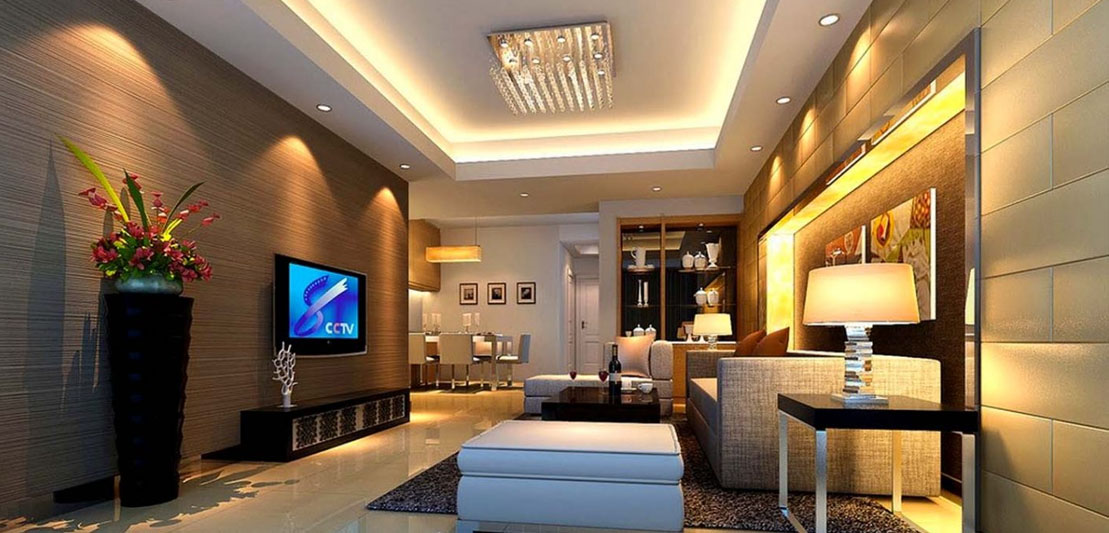
Lighting does more than illuminate a room—it shapes mood, highlights design, and influences how your décor is experienced. The right lighting choices can make a space feel warm and inviting, while poor lighting can flatten even the most beautiful interiors. Choosing lighting thoughtfully ensures your décor looks intentional, balanced, and functional.
Understand the Three Types of Lighting
Effective lighting design relies on layering different types of light. Understanding their roles helps you avoid overlighting or underlighting a space.
The three essential lighting layers are:
- Ambient lighting for overall illumination
- Task lighting for specific activities like reading or cooking
- Accent lighting to highlight décor, artwork, or architectural features
A well-lit room uses all three in harmony.
Match Lighting to the Room’s Purpose
Each room has different lighting needs based on how it’s used. One-size-fits-all lighting rarely works.
Examples include:
- Bright task lighting in kitchens and home offices
- Soft, diffused lighting in bedrooms
- Balanced ambient and accent lighting in living rooms
Let function guide your lighting decisions before style.
Choose the Right Light Temperature
Light temperature affects how colors and textures appear. Selecting the wrong tone can make a room feel cold or overly yellow.
General guidelines:
- Warm white for cozy spaces like bedrooms and living rooms
- Neutral white for kitchens and bathrooms
- Cooler tones for work-focused areas
Consistent color temperature throughout a room keeps the décor cohesive.
Use Fixtures as Design Elements
Light fixtures aren’t just functional—they’re part of your décor. The right fixture can act as a focal point or tie the design together.
Consider:
- Statement pendants over dining tables
- Sculptural floor lamps in living areas
- Sleek sconces for modern or minimalist spaces
Choose fixtures that complement your décor style rather than compete with it.
Pay Attention to Scale and Proportion
Lighting that’s too small gets lost, while oversized fixtures can overwhelm a space. Proper scale ensures visual balance.
Helpful tips:
- Match fixture size to room dimensions
- Use larger fixtures in open spaces
- Keep ceiling height in mind when selecting pendants or chandeliers
Balanced proportions make lighting feel intentional, not accidental.
Highlight Décor With Accent Lighting
Accent lighting brings depth and personality to a room by drawing attention to décor elements.
Accent lighting works well for:
- Artwork and wall décor
- Shelving and display cabinets
- Architectural details like niches or beams
This subtle layer adds dimension without clutter.
Control Light With Dimmers and Placement
Lighting should adapt to different moods and times of day. Fixed lighting limits flexibility.
Smart control options include:
- Dimmer switches for adjustable brightness
- Multiple light sources instead of one overhead fixture
- Strategic placement to reduce glare and shadows
Control creates comfort and elevates the overall atmosphere.
Blend Natural and Artificial Light
Natural light enhances décor and reduces reliance on artificial sources during the day. The goal is balance, not competition.
Ways to support natural light:
- Use sheer window treatments
- Position mirrors to reflect daylight
- Avoid blocking windows with heavy furniture
Artificial lighting should complement natural light, not overpower it.
FAQs
How many light sources should a room have?
Most rooms benefit from three to five light sources, depending on size and function.
Is overhead lighting enough for a room?
Overhead lighting alone often creates harsh shadows. Layered lighting produces better balance and comfort.
Can lighting affect how wall colors look?
Yes. Light temperature and intensity can dramatically change how paint colors appear.
Are LED lights suitable for home décor?
LED lights are energy-efficient, long-lasting, and available in various tones, making them ideal for décor-focused lighting.
How do I avoid glare from lighting fixtures?
Use diffused shades, indirect lighting, and proper placement to minimize harsh reflections.
Should all lights in a room match?
They should complement each other in tone and style, but they don’t need to be identical.
What’s the most common lighting mistake in home décor?
Relying on a single light source and ignoring layering is the most frequent error.
Choosing the right lighting is about balance, intention, and adaptability. When lighting supports both function and style, your décor feels complete, comfortable, and thoughtfully designed.

Comments are closed.