

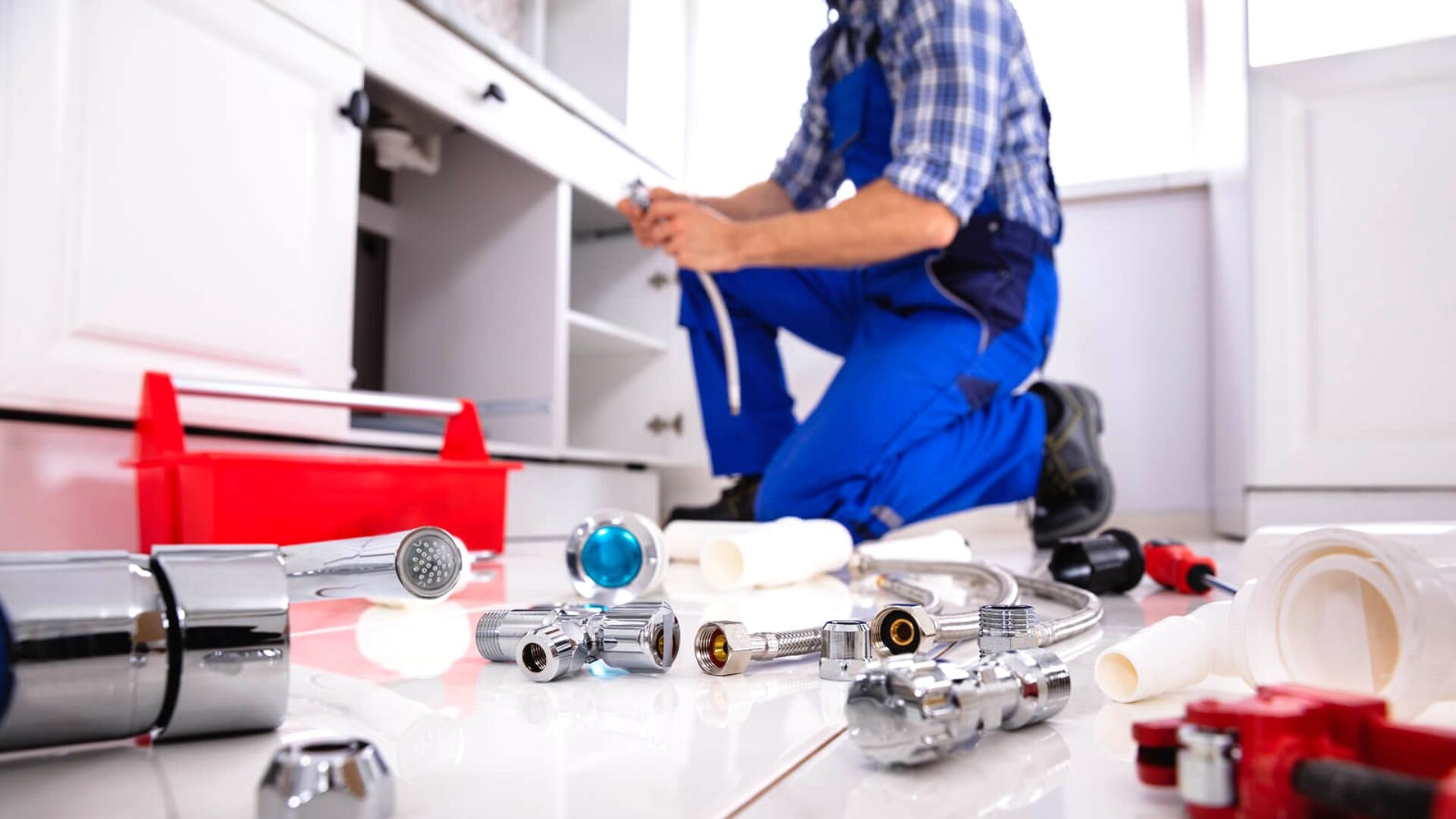
Renovations are exciting—until a small plumbing oversight turns into a costly headache. Whether you’re remodeling a bathroom, upgrading a kitchen, or reworking your entire home, plumbing errors can lead to leaks, code violations, and long-term damage. Knowing what not to do is just as important as choosing the right fixtures.
Below are the most common plumbing mistakes to avoid during renovations, along with practical tips to keep your project on track.
Skipping the Planning Phase
One of the biggest mistakes homeowners make is jumping into renovations without a clear plumbing plan. Plumbing systems are interconnected, and changing one part can affect water pressure, drainage, and venting elsewhere.
Why this matters
- Poor planning can lead to pipe rerouting later
- Last-minute changes increase labor costs
- Hidden conflicts may only show up after walls are closed
What to do instead
- Map out fixture locations early
- Confirm pipe sizes and slopes
- Coordinate plumbing plans with electrical and structural work
Ignoring Local Plumbing Codes
Plumbing codes exist to ensure safety, sanitation, and efficiency. Ignoring them can result in failed inspections, fines, or forced rework.
Common code-related mistakes
- Incorrect pipe materials
- Improper drain slopes
- Missing shut-off valves
Always check local requirements before starting. If permits are required, secure them early to avoid delays.
Using the Wrong Pipe Materials
Not all pipes are created equal. Choosing materials based solely on price or availability can cause corrosion, leaks, or reduced lifespan.
Examples of mismatches
- Using incompatible metals that cause galvanic corrosion
- Installing low-grade plastic where heat resistance is required
Best practice
- Match pipe material to water type and temperature
- Consider longevity, not just upfront cost
Poor Fixture Placement
Moving sinks, toilets, or showers without understanding plumbing constraints often leads to inefficient layouts.
Common issues
- Long drain runs that clog easily
- Weak water pressure at fixtures
- Noisy pipes behind walls
Thoughtful placement keeps plumbing simple, reliable, and quiet.
Forgetting Proper Venting
Plumbing vents regulate air pressure in drain lines. Without proper venting, water won’t drain correctly, and sewer gases may enter the home.
Signs of venting problems
- Gurgling drains
- Slow drainage
- Unpleasant odors
Never assume an existing vent will work for new fixtures. Venting often needs adjustment during renovations.
Overlooking Shut-Off Valves
Failing to install accessible shut-off valves is a mistake that only becomes obvious during emergencies.
Why shut-off valves matter
- Quick isolation during leaks
- Easier fixture replacement
- Reduced water damage risk
Each major fixture should have its own shut-off valve for safety and convenience.
Taking the DIY Route Too Far
DIY can save money, but plumbing is not always forgiving. Small errors can stay hidden until serious damage occurs.
High-risk DIY tasks
- Reworking main supply lines
- Modifying drain and vent systems
- Installing water heaters
If a task affects the core plumbing system, professional help is usually the safer investment.
Sealing Walls Before Testing
Closing up walls before pressure-testing plumbing lines is a costly oversight.
What can go wrong
- Hidden leaks cause mold and rot
- Repairs require tearing out finished surfaces
Always test water supply and drainage thoroughly before final finishes go in.
FAQ: Plumbing Renovation Questions
How early should plumbing be planned in a renovation?
Plumbing should be planned at the design stage, before demolition begins, to avoid costly changes later.
Can old pipes be reused during a renovation?
Sometimes, but only if they meet current codes and are in good condition. Aging pipes often fail after renovations increase demand.
Is it expensive to move plumbing fixtures?
Yes. Moving fixtures usually requires rerouting supply, drain, and vent lines, which adds labor and materials.
What’s the most commonly missed plumbing detail?
Proper venting is frequently overlooked and often causes long-term drainage problems.
How do I know if my renovation needs a plumbing permit?
Most renovations involving new fixtures or pipe changes require permits. Local building departments can confirm requirements.
Are plumbing inspections really necessary?
Yes. Inspections catch issues early, ensure code compliance, and protect long-term property value.
When should a professional plumber be hired?
Anytime work involves main lines, vents, or water heaters, a licensed plumber should be involved.
Avoiding these plumbing mistakes during renovations saves time, money, and stress. A little foresight goes a long way toward a smooth, leak-free upgrade that lasts for years.

Comments are closed.