

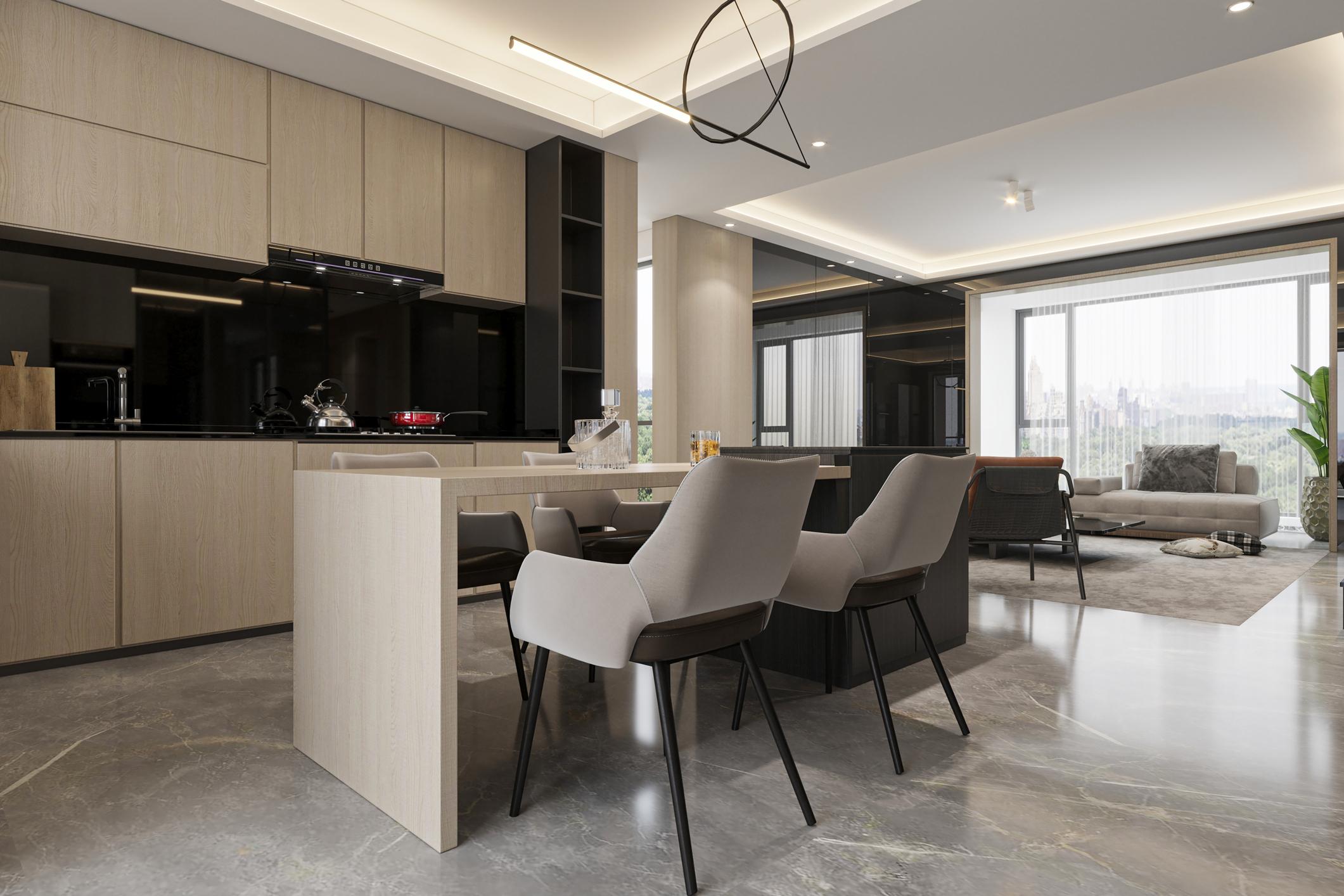
A well-designed kitchen isn’t just about looks—it’s about efficiency, flow, and comfort. A functional kitchen layout makes everyday cooking easier, reduces unnecessary movement, and ensures the space works smoothly for everyone who uses it. Whether you’re renovating or planning from scratch, smart layout decisions lay the foundation for a kitchen that truly performs.
Start With the Kitchen Work Triangle
The kitchen work triangle is a classic design principle that connects the three most-used areas: the sink, stove, and refrigerator.
Why the work triangle matters:
- Reduces unnecessary walking
- Improves workflow while cooking
- Keeps essential areas easily accessible
Each leg of the triangle should be clear of obstacles and balanced in distance for optimal efficiency.
Choose the Right Layout for Your Space
Not every kitchen suits the same layout. The size and shape of your room should guide your design.
Common functional kitchen layouts include:
- Galley kitchens for narrow spaces
- L-shaped kitchens for flexibility and openness
- U-shaped kitchens for maximum storage and counter space
- Island kitchens for added prep and seating areas
Matching the layout to your space prevents crowding and wasted areas.
Prioritize Clear Traffic Flow
A functional kitchen allows people to move freely without disrupting cooking tasks.
Key traffic flow tips:
- Keep walkways wide enough for comfortable movement
- Avoid placing appliances in high-traffic paths
- Ensure cabinet doors and appliances don’t collide
Good flow is especially important in shared or open-plan kitchens.
Create Distinct Work Zones
Zoning helps organize tasks and keeps the kitchen efficient, even when multiple people are using it.
Essential kitchen zones include:
- Prep zone near the sink
- Cooking zone around the stove
- Cleaning zone with sink and dishwasher
- Storage zone for pantry and cookware
Clear zones reduce clutter and confusion during busy moments.
Plan Smart Storage Placement
Storage should support how you actually use the kitchen, not just fill space.
Effective storage strategies:
- Store frequently used items within easy reach
- Place cookware near the stove
- Keep dishes close to the dishwasher
Thoughtful placement saves time and minimizes frustration.
Maximize Counter Space Where It Counts
Counter space is crucial for food prep and daily tasks. Strategic placement matters more than sheer size.
Focus on:
- Ample prep space between sink and stove
- Uncluttered counters for workflow
- Durable surfaces for long-term use
Well-placed counters improve both efficiency and usability.
Balance Appliances With Workspace
Oversized or poorly placed appliances can dominate a kitchen and disrupt flow.
Smart appliance planning includes:
- Choosing appropriately sized appliances
- Allowing clearance for doors and drawers
- Integrating appliances into cabinetry where possible
Balanced placement keeps the kitchen functional and visually clean.
Don’t Overlook Lighting in Layout Design
Lighting works hand-in-hand with layout. Poor lighting can undermine even the best design.
Functional lighting essentials:
- Task lighting over prep and cooking areas
- Ambient lighting for overall visibility
- Accent lighting for depth and clarity
Proper lighting supports safe and efficient work.
Plan for Future Needs
A functional kitchen should adapt as needs change over time.
Forward-thinking considerations:
- Flexible storage solutions
- Space for upgraded appliances
- Layouts that accommodate aging or accessibility needs
Designing with the future in mind adds long-term value.
FAQs
What is the most functional kitchen layout?
There’s no single best layout—functionality depends on space size, shape, and how the kitchen is used.
How much space is needed between kitchen counters?
Walkways should ideally be wide enough for comfortable movement, especially in high-traffic kitchens.
Is an island always a good idea?
Only if space allows. In smaller kitchens, islands can restrict movement and reduce functionality.
How do I design a kitchen for multiple cooks?
Create separate work zones and ensure enough counter space to avoid overlap.
What’s the biggest mistake in kitchen layout design?
Ignoring workflow and traffic patterns is one of the most common and costly mistakes.
Can small kitchens still be functional?
Yes. Smart layouts, vertical storage, and efficient zoning make small kitchens highly functional.
Should functionality come before aesthetics?
Absolutely. A kitchen that works well can always be styled, but poor functionality is hard to fix later.
Designing a functional kitchen layout is about intentional planning, smart zoning, and efficient flow. When form supports function, your kitchen becomes a space that’s not only beautiful—but a pleasure to use every day.

Comments are closed.