

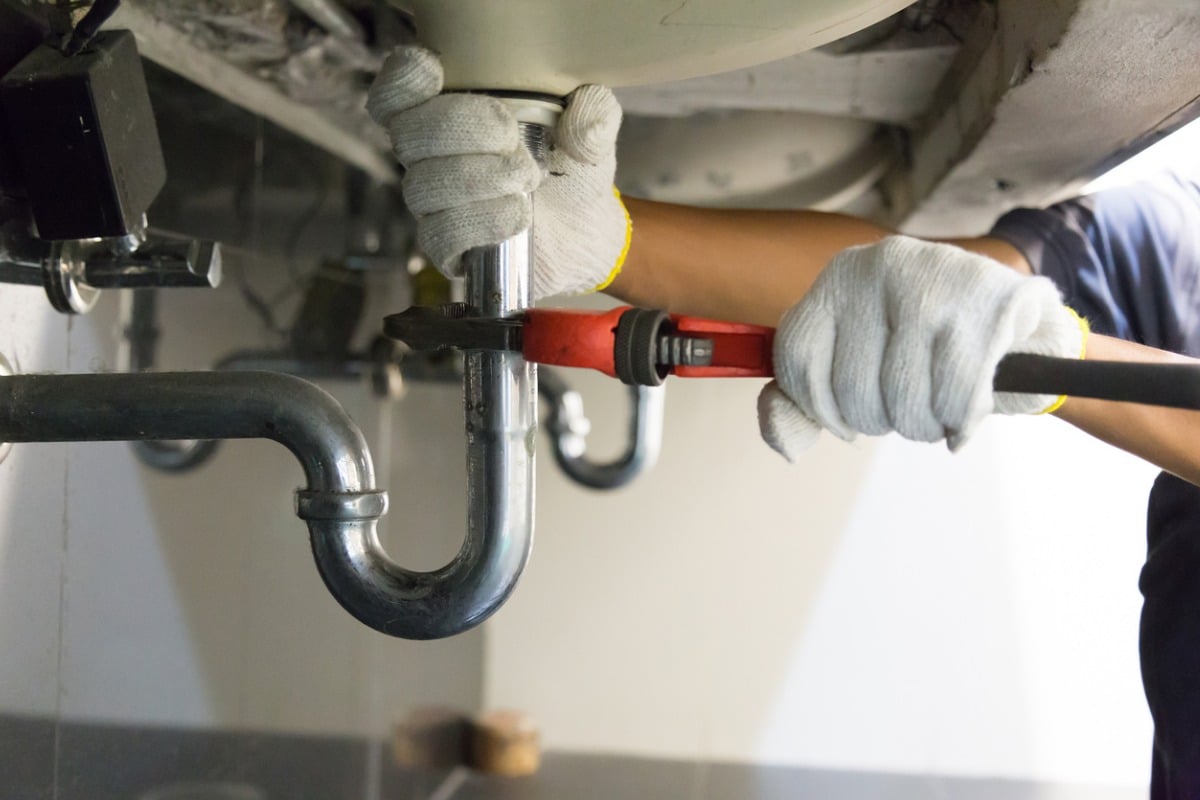
Weather plays a much bigger role in your plumbing system than most homeowners realize. From freezing winters to scorching summers, seasonal changes put stress on pipes, fixtures, and drains. Understanding how different weather conditions affect plumbing helps you prevent damage, avoid emergency repairs, and extend the life of your system.
Cold Weather and Freezing Temperatures
Winter is one of the most challenging seasons for plumbing systems. When temperatures drop, water inside pipes can freeze and expand, creating immense pressure.
Common winter-related plumbing problems
- Frozen pipes that block water flow
- Burst pipes caused by ice expansion
- Cracked fittings and joints
Unheated areas like basements, crawl spaces, and exterior walls are especially vulnerable during cold snaps.
Hot Weather and Extreme Heat
High temperatures don’t just affect people—they impact plumbing too. Heat causes pipes, especially metal ones, to expand and contract repeatedly.
Effects of hot weather on plumbing
- Increased risk of pipe joint loosening
- Accelerated wear on seals and washers
- Higher water pressure from increased usage
Summer also brings heavier water demand from sprinklers, pools, and outdoor faucets, which can strain older plumbing systems.
Heavy Rainfall and Storms
Prolonged rain and severe storms can overwhelm drainage systems and expose weaknesses in plumbing infrastructure.
Potential issues during heavy rain
- Sewer line backups
- Basement flooding
- Soil shifting that stresses underground pipes
If drainage systems aren’t designed to handle large volumes of water, even a single storm can cause serious plumbing issues.
Drought Conditions and Dry Weather
Extended dry periods can be just as damaging as excess water. When soil dries out, it can shrink and shift around buried pipes.
How drought affects plumbing
- Underground pipes may crack or separate
- Increased sediment buildup in pipes
- Higher stress on municipal water supply lines
Dry conditions can quietly weaken pipes, with damage often appearing months later.
Seasonal Temperature Swings
Rapid changes between warm and cold weather cause repeated expansion and contraction of plumbing materials.
Why this matters
- Pipe materials fatigue over time
- Small leaks may develop at joints
- Older systems are more susceptible to failure
Homes in regions with unpredictable weather patterns are particularly affected by this cycle.
Humidity and Corrosion
High humidity levels can accelerate corrosion, especially in exposed metal pipes.
Corrosion risks include
- Reduced pipe lifespan
- Discolored water
- Hidden leaks behind walls
Bathrooms, laundry rooms, and basements are common trouble spots where moisture levels stay high.
How to Protect Your Plumbing Year-Round
Taking preventive steps can minimize weather-related plumbing damage.
Smart prevention tips
- Insulate exposed pipes before winter
- Monitor water pressure during summer
- Keep drains clear before storm seasons
- Schedule regular plumbing inspections
Proactive care is far less expensive than emergency repairs caused by weather extremes.
FAQ: Weather and Plumbing Systems
Can weather really cause pipes to burst?
Yes. Freezing temperatures cause water to expand inside pipes, creating pressure that can lead to bursts.
Are newer homes immune to weather-related plumbing problems?
No. While newer materials may be more durable, they are still affected by temperature changes and soil movement.
Does climate affect underground plumbing differently?
Yes. Soil expansion, contraction, and saturation directly impact underground pipes, often causing cracks or misalignment.
How does weather impact water pressure?
Seasonal demand changes and temperature shifts can affect municipal supply pressure, which influences household plumbing.
Should plumbing inspections be seasonal?
Seasonal inspections are ideal, especially before winter and after heavy storm periods.
Can humidity alone damage plumbing?
Over time, high humidity can cause corrosion and mold-related issues around pipes and fittings.
What’s the first sign of weather-related plumbing trouble?
Unusual noises, slow drains, fluctuating water pressure, or unexplained moisture are often early warning signs.
Weather is unavoidable, but plumbing damage doesn’t have to be. By understanding how different conditions affect your system and taking preventive measures, you can keep your plumbing reliable in every season.

Comments are closed.