

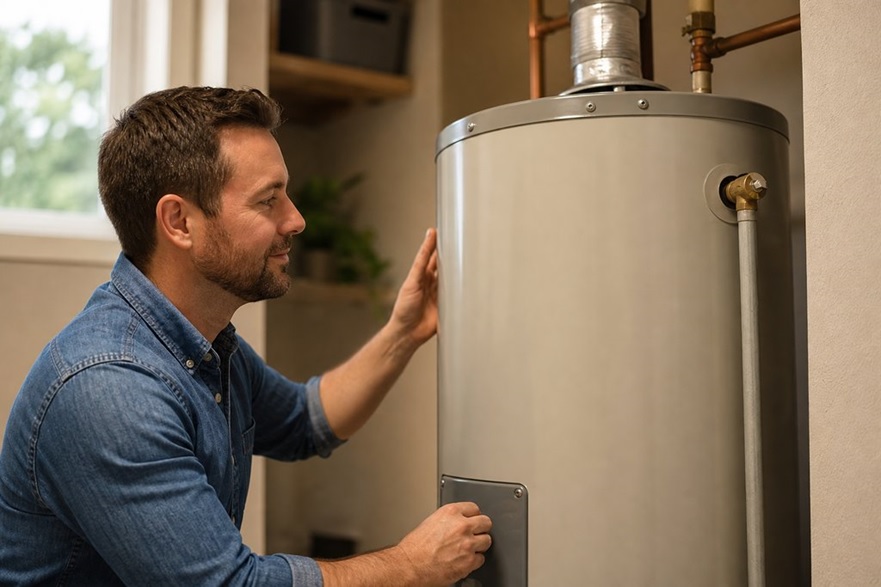
No hot water? Before deciding if your water heater needs repair or replacement, take note of any issues you’ve noticed, such as:
- The water coming out of your tap isn’t as hot as it should be
- Discolored (rusty) water
- Unusual, potentially concerning noises coming from your water heater
- Water pooling around your water heater
Separate Repairable Problems from Tank Failure
Some issues may be fixable, such as:
- The pilot light keeps going out (gas water heater)
- The heating element or thermostat has malfunctioned (electric water heater)
- The temperature-and-pressure relief valve is leaking
- Sediment has built up inside the tank, affecting performance and potentially causing rumbling
- The drain valve needs to be replaced
- A loose connection is causing a leak
Other issues are not fixable, such as a leak coming from the water heater tank itself. If you notice puddles of water underneath your water heater, rust around the seams of the tank or any other sign of tank corrosion, you’ll likely need to replace your water heater. Talk to a professional about the best next steps for your home.
Of course, age does play a role in determining whether or not to repair or replace your water heater. Other factors include:
- How much sediment has accumulated inside the tank
- Your hot water usage
- The efficiency of your water heater
- The cost of future repairs
Repairs may be worth it if:
- The problem is minor and isolated
- The tank isn’t rusted or leaking
- Your water heater isn’t near the end of its expected lifespan
- Parts for your water heater are readily available
- The cost of repair isn’t outrageous
- Your hot water needs haven’t changed drastically
Preventative maintenance can help catch issues before they get any worse. For example, flushing out your water heater (see https://www.thespruce.com/how-to-flush-water-heater-5223424 for more info) can help limit sediment build-up. Checking valves and other connections can help prevent leaks before you end up with puddles on your floor.
That said, if you’ve been shelling out cash for recurring repairs on an aging water heater, it may be time to consider investing in a new unit.
When a technician comes out to give you an estimate on repairing your water heater, he or she should also check the tank and other components for rust, corrosion and other warning signs. That broader assessment also falls within the scope of plumbing services in Cecil County for aging units. If the water heater is showing its age and other parts are in less-than-ideal shape, it may be wise to replace the entire water heater rather than just the valve, thermostat, burner, etc.
Replacement Makes Sense When Capacity or Efficiency Falls Short
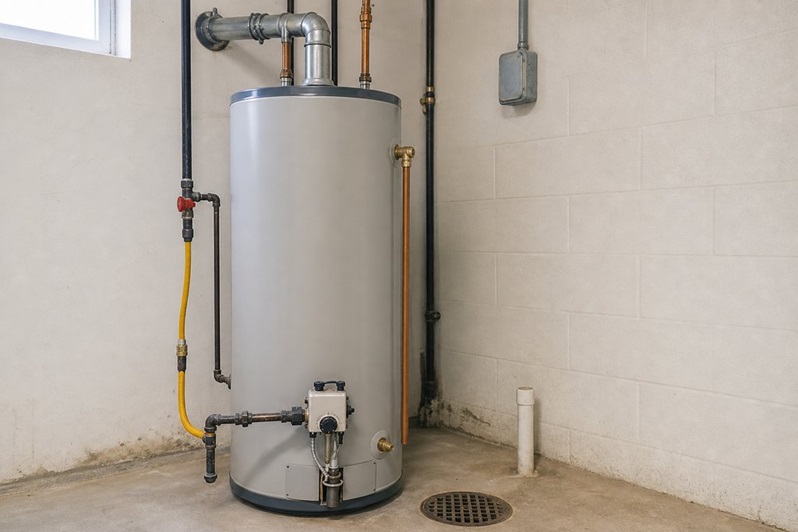
If your water heater is nearing the end of its lifespan or rust and corrosion are evident, you may want to consider replacing the entire unit instead of just throwing good money after bad.
Replacement may also be worth considering if your water heater isn’t cutting it anymore. For example, if you’ve taken on more household members or remodeled your bathroom to include a deluxe soaking tub, you may need a larger-capacity water heater to keep up with everyone’s hot water needs.
Keep in mind that you may also need to replace or remodel certain components of your home in order to replace your water heater, including:
- Electrical service
- Gas piping
- Venting
- Water heater location
- Drainage
Installation Must Account for Fuel, Venting, and Drainage
Properly installing a new water heater isn’t as simple as unplugging the old one and plugging in the new one. A water heater installation should include checking and/or updating all the above components, including the shutoff valves, venting, fuel source, electrical service and drain.
Electric water heaters: The tank and hot water lines should be completely filled and all air should be bled from the system before the unit is turned on to avoid damaging the heating elements.
Keep in mind that water heaters come in all shapes and sizes, and you want to make sure yours is properly sized for your household’s needs. If you run out of hot water every time someone’s doing the dishes, someone else is taking a shower and the laundry’s running, you may need a larger-capacity water heater. On the other hand, if you’re constantly paying for standby heat on your water heater, you may be overcompensating with a unit that’s too big for your needs.
Gas water heaters require special venting and proper combustion air. Electric water heaters require proper electrical service. Tankless water heaters may have different venting, gas and/or electrical needs than traditional tank water heaters.
Water heaters can rust and corrode over time, and installing a drain pan can help prevent water damage from a leaking water heater. Make sure the pan and drainage system are properly installed so you don’t end up with moisture issues.
Schedule an Inspection Before the Unit Fails
If you’re noticing any changes in your hot water, schedule an appointment with a qualified water heater repair professional as soon as possible. It’s better to plan ahead for a water heater replacement than to scramble to find an available professional at the last minute when your water heater is on its last legs.

Comments are closed.